

Running Injury Assessment & Rehabilitation in Buxton
“I understand that telling a runner to stop running isn't much of a rehabilitation plan."
Whether you're training for your first 5K, chasing a marathon personal best or preparing for an ultramarathon, running injuries can be frustrating.
At High Peak Osteo, we provide running injury assessment and rehabilitation in Buxton, helping runners understand what's contributing to their symptoms and develop a practical plan to return to running.
Our approach combines clinical assessment, education, strength and conditioning principles, and progressive rehabilitation.
The goal isn't simply to reduce your pain. It's to help you return to running with the knowledge and confidence to manage your training.
Running Injuries We Can Help Assess
Running places repeated demands on muscles, tendons, bones and joints. When symptoms develop, understanding the underlying problem is essential to deciding what to do next.
We assess runners presenting with a range of common complaints, including:
-
understanding tendon loading, training demands and progressive rehabilitation.
-
assessing knee symptoms and identifying appropriate strategies for managing running loads.
-
Evaluating symptoms affecting the heel and foot, and developing an individual management plan.
-
Distinguishing between possible causes of lower-leg pain, including presentations requiring further investigation.
-
Assessing symptoms around the outside of the knee and their relationship to running demands.
-
Supporting appropriate rehabilitation and progressive return to running.
-
Evaluating contributing factors and developing a rehabilitation programme suited to the individual.
Rehabilitation That Understands Running
Running isn't simply an activity to return to. For many people, it's an important part of their physical health, mental wellbeing and social life.
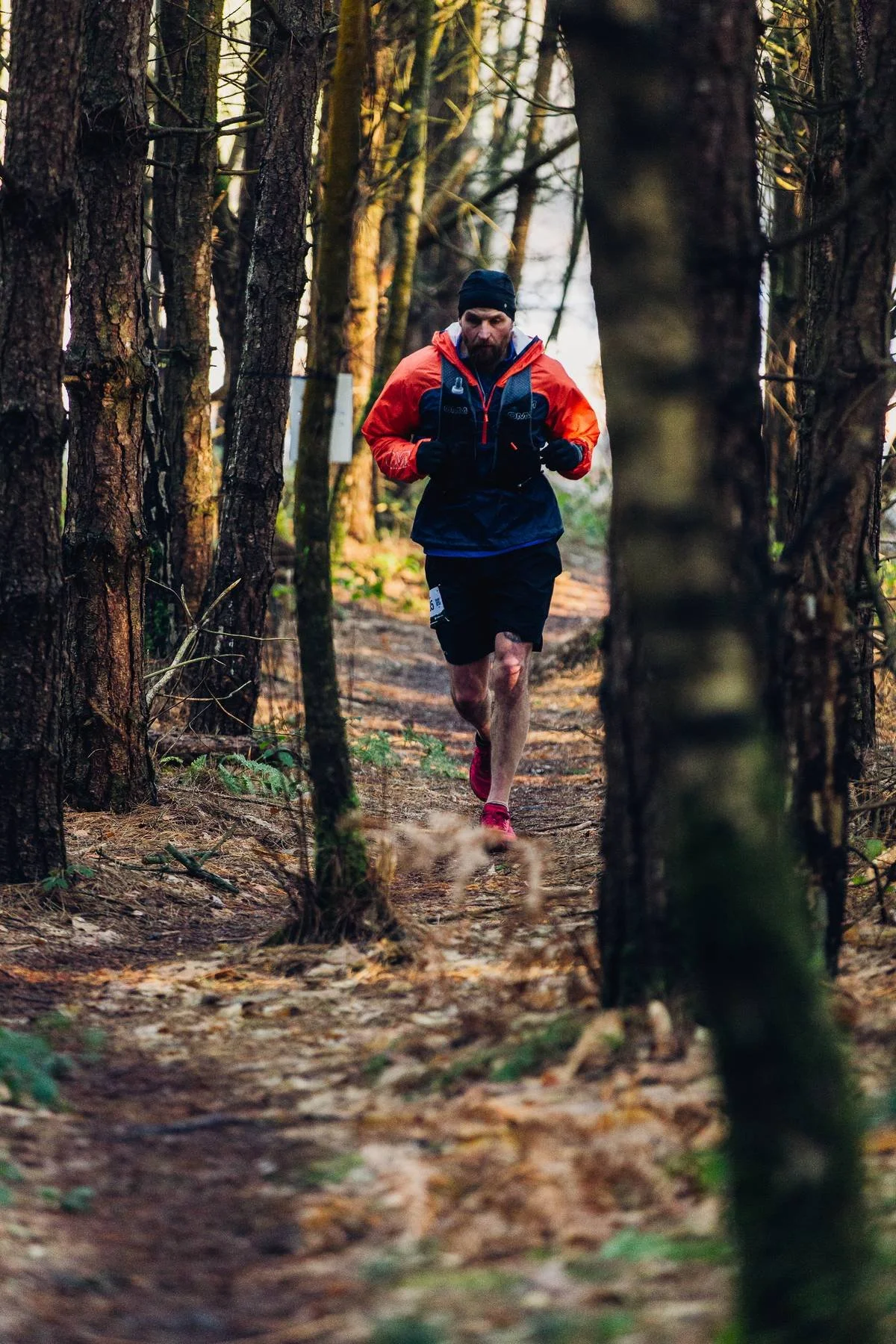
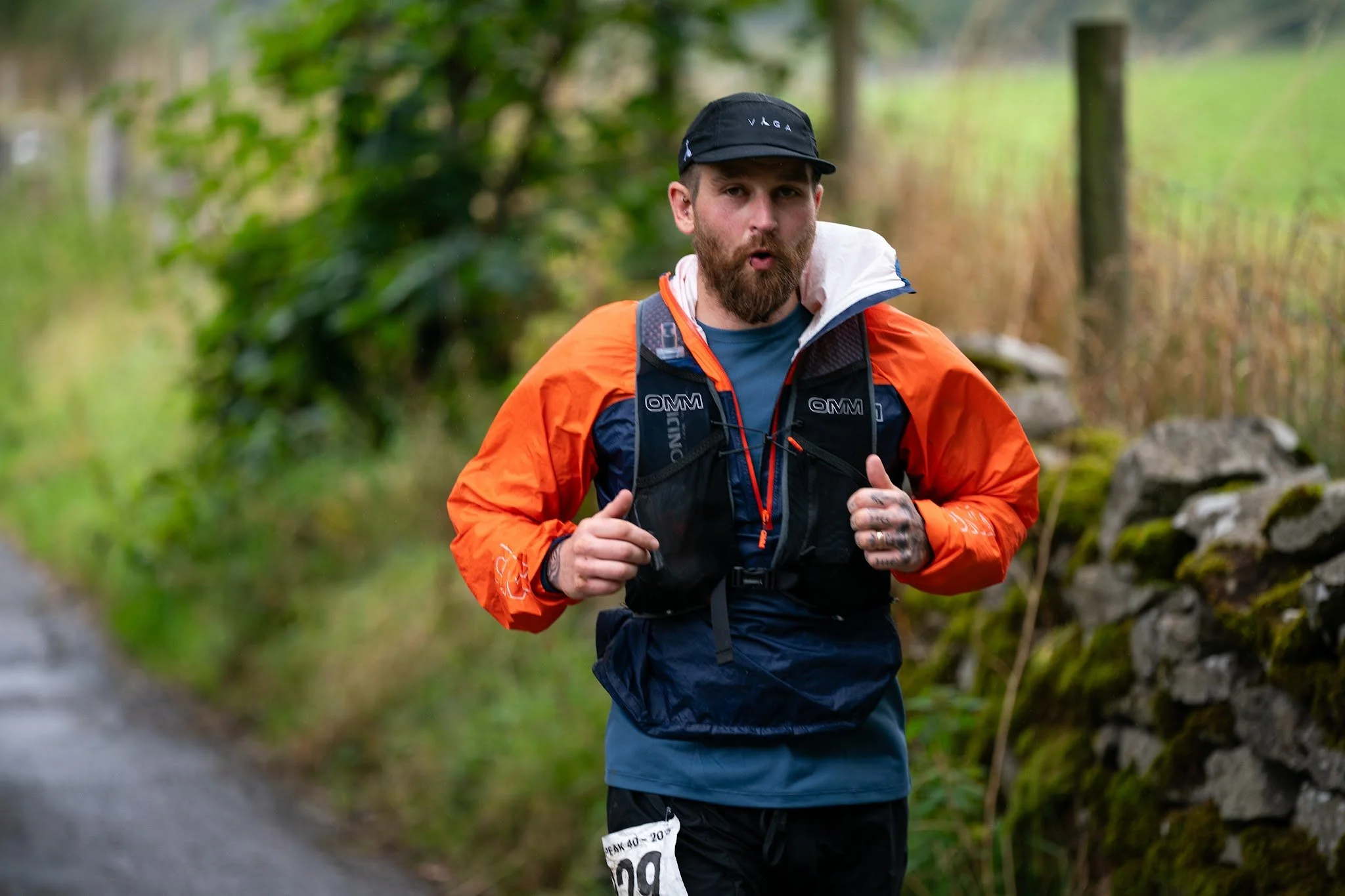
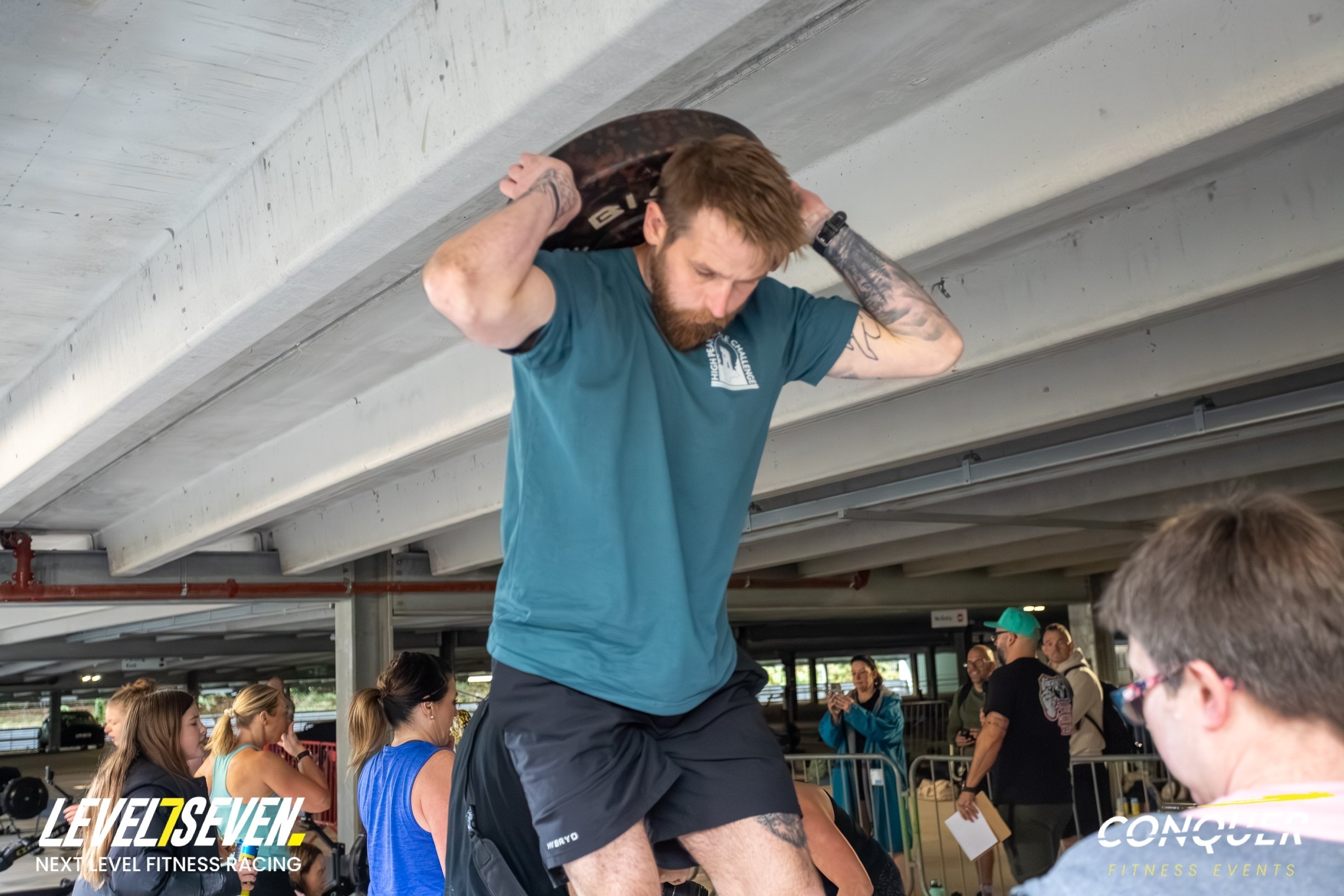
At High Peak Osteo, our approach is informed by clinical practice, rehabilitation education, strength and conditioning, and firsthand experience of endurance running.
We understand the demands of training for everything from shorter road races to marathons and ultramarathons, including the challenge of balancing training volume, recovery and everyday life.
That doesn't mean every runner needs a complicated programme.
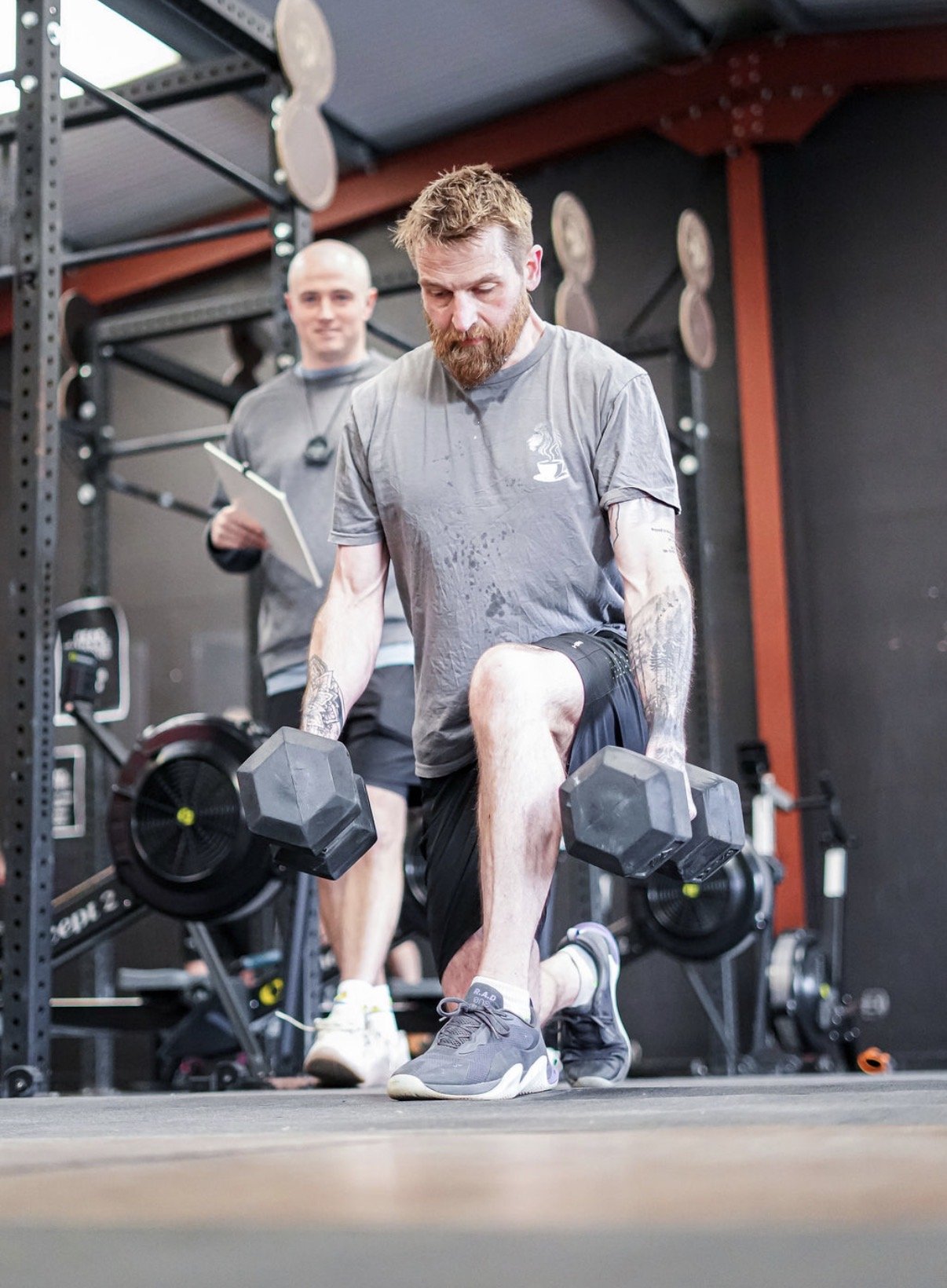
Often, the most useful intervention is a clear explanation, a sensible adjustment to training and a rehabilitation plan that fits around your life.
Questions
-
An osteopath can assess many musculoskeletal complaints associated with running, provide advice about activity modification and develop an appropriate rehabilitation plan. Treatment options depend on the assessment findings, and some conditions require referral to another healthcare professional.
-
Not always. Some runners can continue training with modifications, while others need a temporary break or further assessment. The decision should be based on the suspected diagnosis, symptom response and potential risks rather than pain intensity alone. We will try to keep you running!
-
Where appropriate, yes. We believe that education, progressive exercise and self-management are important components of rehabilitation. Your programme will be tailored to your needs rather than based on a generic exercise sheet.
-
There isn't a standard number of appointments for a running injury. Some presentations require relatively little clinical input, while others benefit from ongoing review or a longer rehabilitation process.
We'll discuss what we think is appropriate following your assessment. Our aim is to support your recovery without recommending unnecessary appointments.
-
We can help assess musculoskeletal problems that affect your ability to train and develop an appropriate rehabilitation and return-to-running strategy. The plan will account for your injury, current training capacity and upcoming goals. If you have it as a goal then we’ll help you get there!